6 places · Venice
The Best Neighborhoods in Venice
Historic Venice is divided into six sestieri, and each has its own character behind the famous sights. Cannaregio and Castello hold most of the city's residents, Dorsoduro gathers the big art museums and the sunny Zattere, while San Polo and Santa Croce wrap around the Rialto market and the arrival point at Piazzale Roma. The Ghetto in Cannaregio, created in 1516, gave the word ghetto to the world and remains the center of Jewish Venice.
Compare at a glance
| Place | Area |
|---|---|
| Cannaregio | Cannaregio |
| Venetian Ghetto (Ghetto di Venezia) | Cannaregio |
| Dorsoduro | Dorsoduro |
| Castello | Castello |
| San Polo District (Sestiere di San Polo) | San Polo & Santa Croce |
| Santa Croce | San Polo & Santa Croce |
-
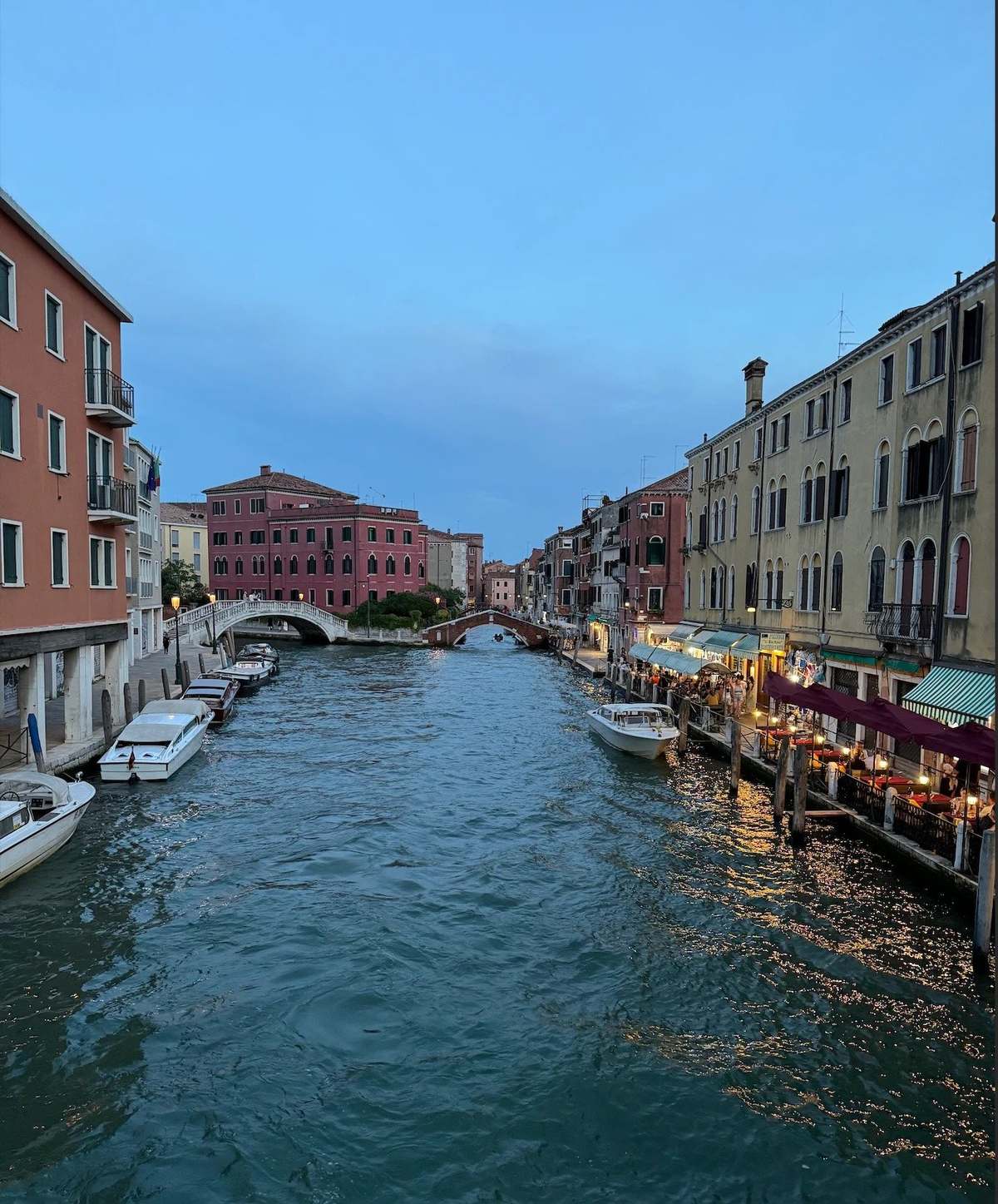
Cannaregio Photo: Venice Unlocked 1 Cannaregio
Cannaregio
Cannaregio is the northernmost of Venice's six sestieri and the most populated, spreading from Santa Lucia station east to the border with Castello. Read the full guide to Cannaregio →
-
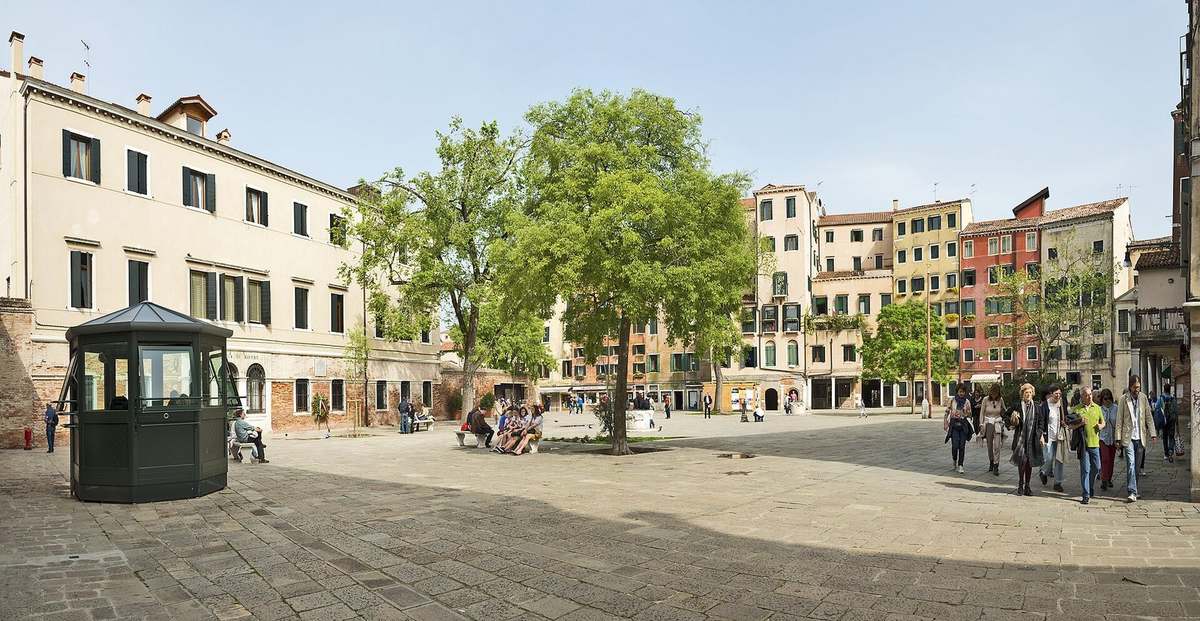
Campo del Ghetto Novo, heart of the Venetian Ghetto Photo: Didier Descouens, Wikimedia Commons (CC BY-SA 4.0) 2 Venetian Ghetto (Ghetto di Venezia)
Cannaregio
On March 29, 1516, the Venetian Senate ordered all Jews in the city to live in the Ghetto Nuovo, an island in Cannaregio that had once held public foundries, and the word ghetto spread from here around the world. Read the full guide to Venetian Ghetto (Ghetto di Venezia) →
-
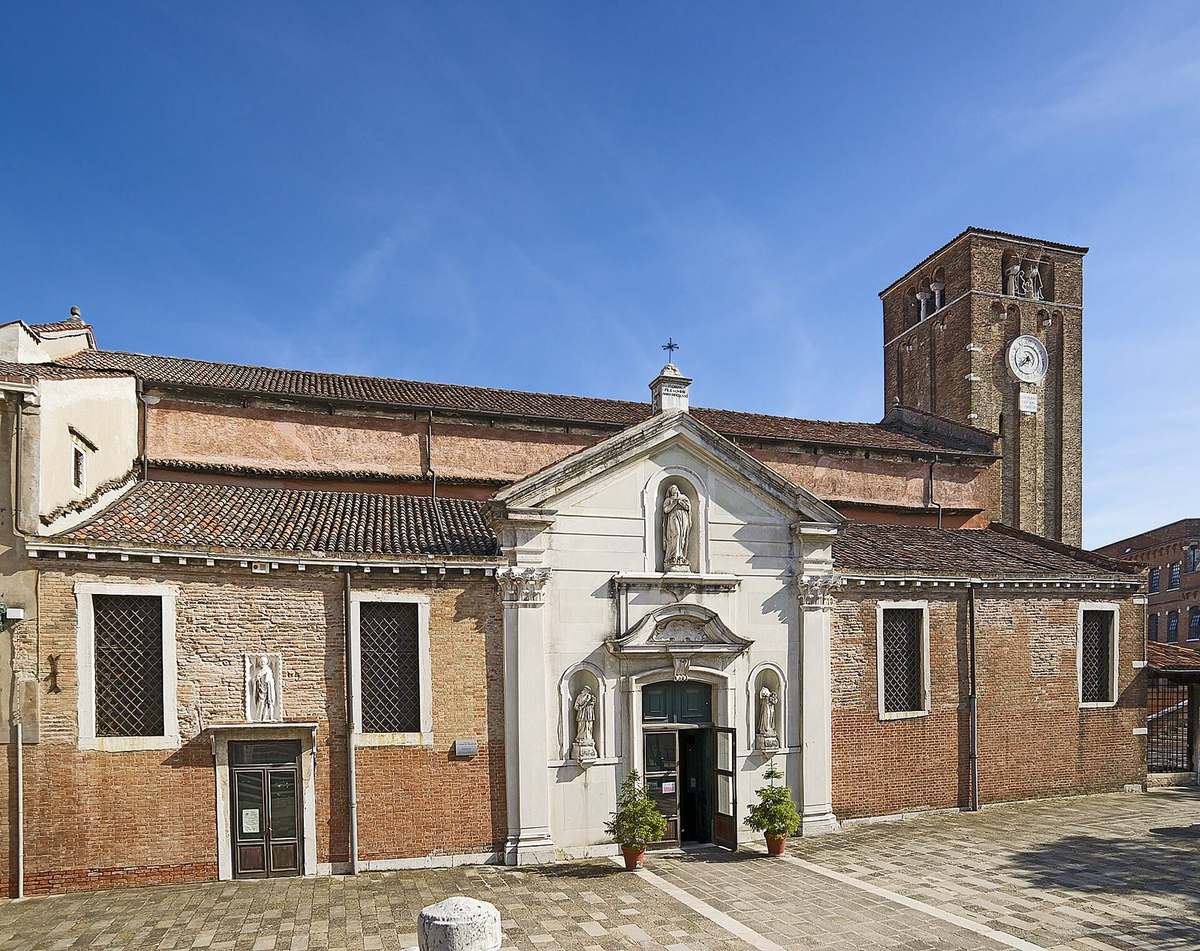
San Nicolò dei Mendicoli, in Dorsoduro's oldest corner Photo: Didier Descouens, Wikimedia Commons (CC BY-SA 4.0) 3 Dorsoduro
Dorsoduro
Dorsoduro takes its name, 'hard back', from ground firmer than the marshier parts of the lagoon, and runs from the Grand Canal south to the Giudecca Canal, with Giudecca island counted as part of the sestiere. Read the full guide to Dorsoduro →
-
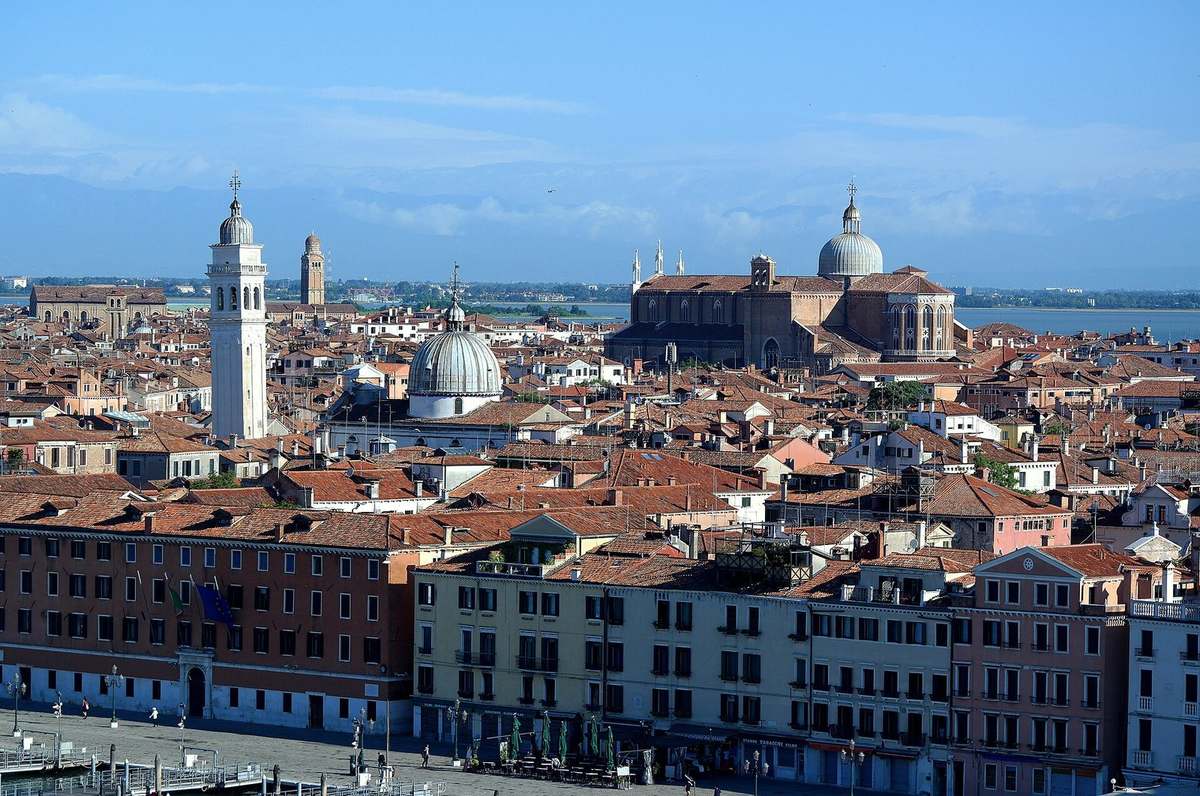
Castello's roofs and bell towers behind the waterfront Photo: Luca Aless, Wikimedia Commons (CC BY-SA 4.0) 4 Castello
Castello
Castello is the largest of the six sestieri and the only one that does not touch the Grand Canal, forming the eastern tail of the city's fish shape. Read the full guide to Castello →
-
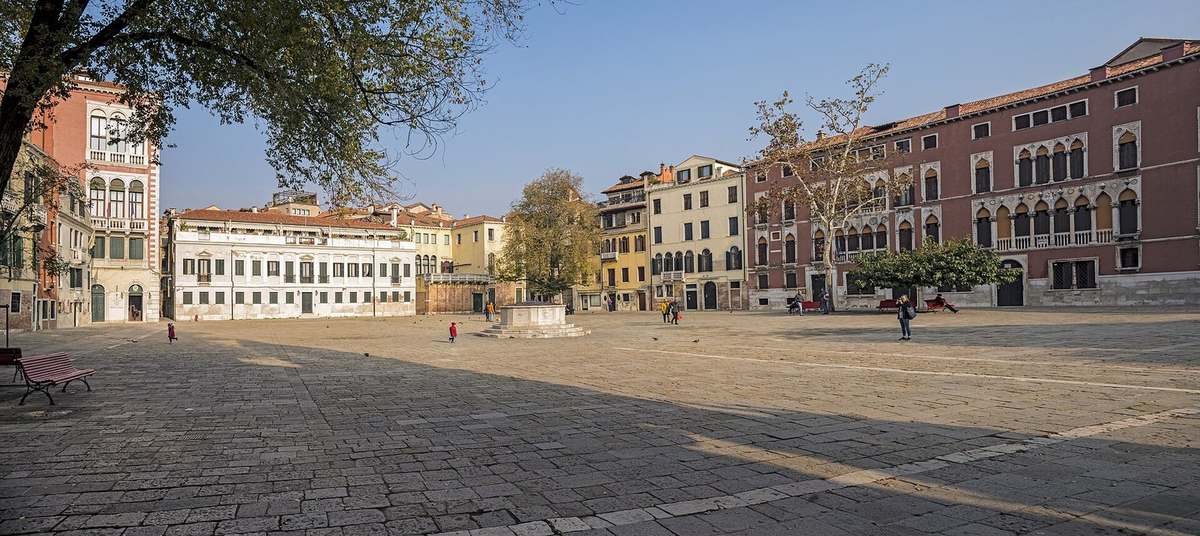
Campo San Polo, the largest campo in Venice Photo: Didier Descouens, Wikimedia Commons (CC BY-SA 4.0) 5 San Polo District (Sestiere di San Polo)
San Polo & Santa Croce
San Polo is the smallest and most central of the six sestieri, about 35 hectares along the Grand Canal, and one of the oldest, settled before the 9th century as part of the Realtine islands. Read the full guide to San Polo District (Sestiere di San Polo) →
-
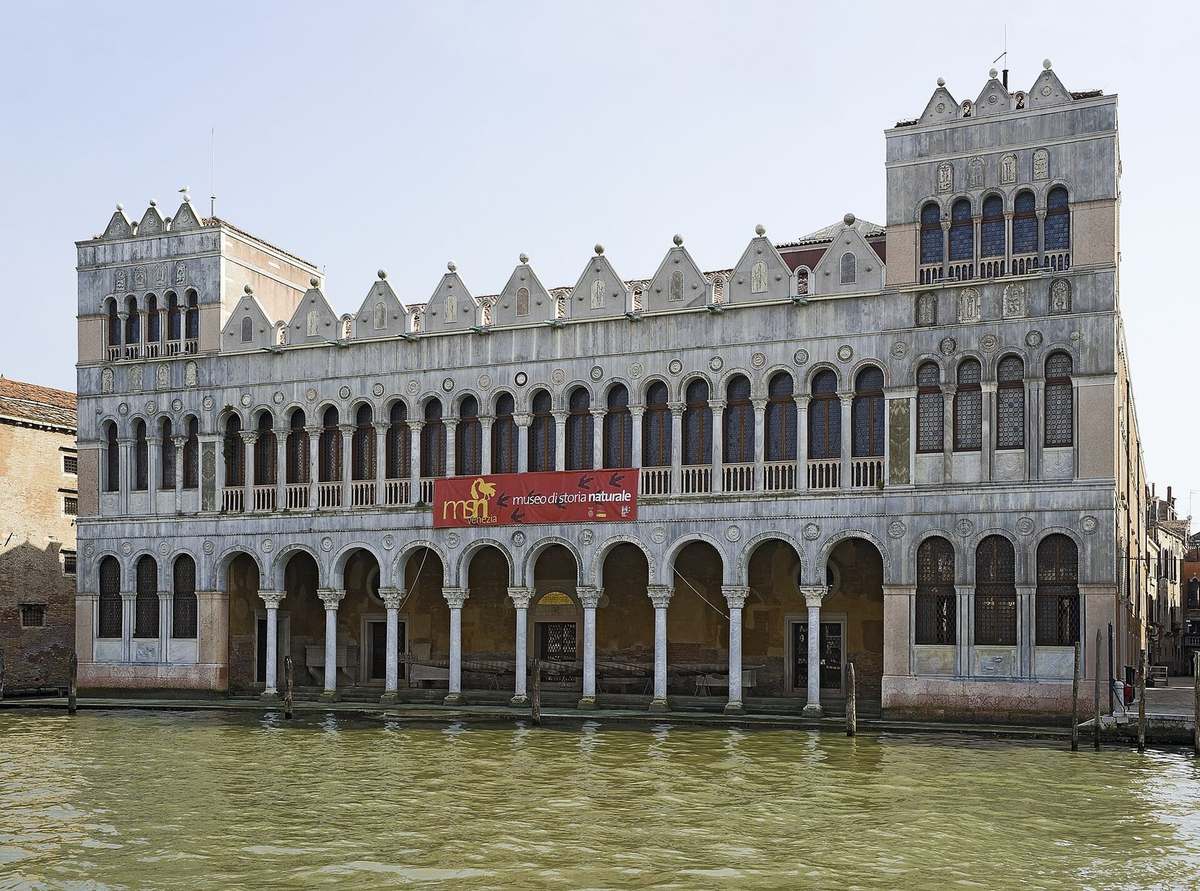
The Fondaco dei Turchi on the Grand Canal, Santa Croce Photo: Didier Descouens, Wikimedia Commons (CC BY-SA 4.0) 6 Santa Croce
San Polo & Santa Croce
Santa Croce is named after a church demolished after Napoleon's suppressions, and like San Polo it was once part of the Luprio marshes, where the Republic kept salt pans. Read the full guide to Santa Croce →


